617-821-1757

Looking For FHA Loans?
Apply today for the mortgage
that’s right for you.
Unlock Low Rates with Ease
Discover how Geovanne Colon simplifies the mortgage qualification process for you.
Apply today for the mortgage
that’s right for you.
Unlock Low Rates with Ease
Discover how Geovanne Colon simplifies the mortgage qualification process for you.
Low Rate.
Zero Hassles.
Get a free quote
Low Rate.
Zero Hassles.
Get a free quote
Feel Overwhelmed by Mortgage Choices? I Understand.

Feeling Lost in a Sea of Mortgage Options? Finding the right mortgage can be a daunting task. With an overwhelming array of rates, terms, and lenders, it's easy to feel lost and uncertain. Are you worried about high interest rates, hidden fees, or choosing a mortgage that doesn't fit your long-term goals?

Welcome to Your Gateway to Home Ownership
Embark on a seamless journey towards your dream home with Geovanne Colon, your trusted ally in mortgage solutions. With years of expertise and a commitment to securing the lowest rates, my mission is to transform the complex landscape of home financing into a simplified, transparent path leading straight to the keys of your new home.
Why Choose Us?
Ready to Start?
Your perfect home won't wait forever, and neither should you. Begin your journey today with a loan officer that puts you first. By choosing us, you're not just getting a loan – you're gaining a lifelong partner in all your mortgage endeavors.
Start your no-obligation consultation now and join the myriad of satisfied homeowners who have unlocked the doors to their future with ease and confidence. Dive into our world of simplified lending, and let's turn your homeownership dreams into reality.
Welcome Home!
Loan Programs We Help With
Seamless Solutions, Limitless Possibilities
Residential Mortgage Programs
1. FHA Loans
Federal Housing Administration (FHA) Loans
• Suitable for first-time homebuyers
• Low down payment options (as low as 3.5%)
• Requires mortgage insurance
• Lenient credit scores accepted
• 203K Renovation Loans Available
2. Conventional Loans
Conventional Mortgage Loans
• Preferred by borrowers with stronger credit
• Down payments as low as 3%
• Available in fixed or adjustable rates
• No government insurance premiums
• HomeStyle Renovation Loan Available
3. USDA Loans
US Department of Agriculture (USDA) Loans
• Ideal for eligible rural and suburban homebuyers
• Zero down payment
• Low insurance costs
• Income and geographic restrictions apply
4. VA Loans
Veterans Affairs (VA) Mortgage Loans
• Exclusively for veterans, active-duty service members, and eligible spouses
• No down payment required
• No mortgage insurance needed
• Competitive interest rates
A. ITIN - No Social Security Loans
• ITIN mortgage loans for borrowers without a Social Security Number
• Ideal for immigrants, non-resident aliens, and foreign nationals with valid ITIN
• Qualify for home purchase or refinance using tax returns and alternative income documentation
B. 1099 Loans
• Designed for independent contractors or self-employed individuals
• Based on the 1099 tax form income
C. VOE Only
• Verification of employment as the primary source of income validation
D. Asset Depletion
• Utilizes borrower's liquid assets for qualification purposes
E. Bank Statement Loans
• Income based on bank statements, suitable for self-employed borrowers
F. DSCR - Investor No Income Verification
• For real estate investors, using property cash flow as a qualification metric
G. Refinance -
• Refinance your existing mortgage to secure a lower interest rate or better terms
• Lower monthly payments or access home equity with cash-out refinance options
• Streamlined process with flexible qualification options for various borrower situations
• Ideal for rate-and-term refinance or cash-out refinance on primary residences, second homes & investors loans.
Non-Qualified Mortgage (Non-QM) Loans
Loan Programs We Help With
Seamless Solutions, Limitless Possibilities
Residential Mortgage Programs
1. FHA Loans
Federal Housing Administration (FHA) Loans
• Suitable for first-time homebuyers
• Low down payment options (as low as 3.5%)
• Requires mortgage insurance
• Lenient credit scores accepted
2. Conventional Loans
Conventional Mortgage Loans
• Preferred by borrowers with stronger credit
• Down payments as low as 3%
• Available in fixed or adjustable rates
• No government insurance premiums
3. USDA Loans
US Department of Agriculture (USDA) Loans
• Ideal for eligible rural and suburban homebuyers
• Zero down payment
• Low insurance costs
• Income and geographic restrictions apply
4. VA Loans
Veterans Affairs (VA) Loans
• Exclusively for veterans, active-duty service members, and eligible spouses
• No down payment required
• No mortgage insurance needed
• Competitive interest rates
Non-Qualified Mortgage (Non-QM) Loans
A. ITIN - No Social Security Loans
• For borrowers with an Individual Tax Identification Number
• Lacks Social Security number
B. 1099 Loans
• Designed for independent contractors or self-employed individuals
• Based on the 1099 tax form income
C. VOE Only
• Verification of employment as the primary source of income validation
D. Asset Depletion
• Utilizes borrower's liquid assets for qualification purposes
E. Bank Statement Loans
• Income based on bank statements, suitable for self-employed borrowers
F. DSCR - Investor No Income Verification
• For real estate investors, using property cash flow as a qualification metric
More Loan Programs
Foreign National Loans
• Tailored for non-U.S. citizens looking to buy investment or vacation properties in the U.S.
• May require larger down payments and proof of foreign income.
Jumbo Loans
• Exceed the loan limits set by the FHFA for conventional mortgages.
• Requires non-traditional underwriting to accommodate the larger loan amount.
Real Estate Investor Loans
• Customized loans for experienced real estate investors.
• Can include options for multiple properties under a single loan (blanket loans).
Non-Warrantable Condo Loans
• For condos that do not meet specific requirements by Fannie Mae or Freddie Mac.
• Necessary for financing condominiums in buildings with more owner-occupied spaces or litigation issues.
Credit Event Loans
• Available to borrowers with significant derogatory credit events, such as bankruptcy or foreclosure.
• Typically requires a higher down payment or additional reserves.
Hard Money/Private Lending
•For immediate or short-term financing needs
• Higher-cost, short-term loans
• Asset-based lending criteria
• Terms typically around 12 months
Fix and Flips
• Loans crafted for renovating and flipping properties
Commercial Loans
•Tailored for businesses to purchase or refinance commercial property
• Offering solutions for office buildings, retail spaces, and industrial properties
• Custom terms to align with business strategies
New Construction
• Financing for ground-up construction projects
Small Business Administration (SBA) Loans
• Federally backed to help start or grow a business
• Lower down payments
• Longer repayment terms
• Focused on small businesses
Bridge Loans
• Short-term loans to bridge the gap during transitional periods
Down Payment Assistance Programs
• Provides prospective homebuyers with loans or grants that they can use toward the down payment for a house.
• Most down payment assistance programs are designed for first-time homebuyers and offered by various institutions, such as government, non-profits, or lenders.
More Loan Programs
Foreign National Loans
• Tailored for non-U.S. citizens looking to buy investment or vacation properties in the U.S.
• May require larger down payments and proof of foreign income.
Jumbo Loans
• Exceed the loan limits set by the FHFA for conventional mortgages.
• Requires non-traditional underwriting to accommodate the larger loan amount.
Real Estate Investor Loans
• Customized loans for experienced real estate investors.
• Can include options for multiple properties under a single loan (blanket loans).
Non-Warrantable Condo Loans
• For condos that do not meet specific requirements by Fannie Mae or Freddie Mac.
• Necessary for financing condos in buildings with more owner-occupied spaces or litigation issues.
Credit Event Loans
• Available to borrowers with significant derogatory credit events, such as bankruptcy or foreclosure.
• Typically requires a higher down payment or additional reserves.
Hard Money/Private Lending
•For immediate or short-term financing needs
• Higher-cost, short-term loans
• Asset-based lending criteria
• Terms typically around 12 months
Fix and Flips
• Loans crafted for renovating and flipping properties
Commercial Loans
•Tailored for businesses to purchase or refinance commercial property
• Offering solutions for office buildings, retail spaces, and industrial properties
• Custom terms to align with business strategies
New Construction
• Financing for ground-up construction projects
Small Business Administration (SBA) Loans
• Federally backed to help start or grow a business
• Lower down payments
• Longer repayment terms
• Focused on small businesses
Bridge Loans
• Short-term loans to bridge the gap during transitional periods
Down Payment Assistance Programs
• Provides prospective homebuyers with loans or grants that they can use toward the down payment for a house.
• Most down payment assistance programs are designed for first-time homebuyers and offered by various institutions, such as government, non-profits, or lenders.
Who We Help?
Seamless Solutions, Limitless Possibilities
First Time Home Buyers
We know how overwhelming the process of buying a home is, especially if it is the first time that you're doing it. We will work closely with you to explain the process, to protect you from making mistakes that could cost you later, and to ensure that your mortgage gets approved and you get the home that you are so excited to be buying!
Move Up and Second Home Buyers
Buying a new home when you currently own one has it's own unique set of concerns. We can answer all of your questions about how to qualify and purchase a home when you already own one whether you're buying a new primary residence or a second vacation home.
Refinancing Home Owners
If you already own your home but you are looking to refinance to either save money with a lower interest rate or possibly take some cash out for any reason, we can help you with that. We also can show you how to make sure you are structuring your new financing to get the best deal possible.
Investment Buyers
If you're buying real estate for investment purposes, we can help you secure low rate financing to maximize your ROI.
Seniors Seeking Reverse Mortgages
If you are 62 years or older and are looking for options to stay in your home without a mortgage payment or to access your home's equity while still living there, I can answer your questions about reverse mortgages so you can decide if they are right for you.
What My Clients Say
Ready to Find Your Perfect Mortgage?
Are You A First Time Home Buyer?
Download Our Free Home Buyer's Guide

Other Resources You'll Find Helpful

Buyer's Guide for Real Estate Agent
(English)

Buyer's Guide for Real Estate Agent
(Spanish)

Seller's Guide for Real Estate Agent
(English)
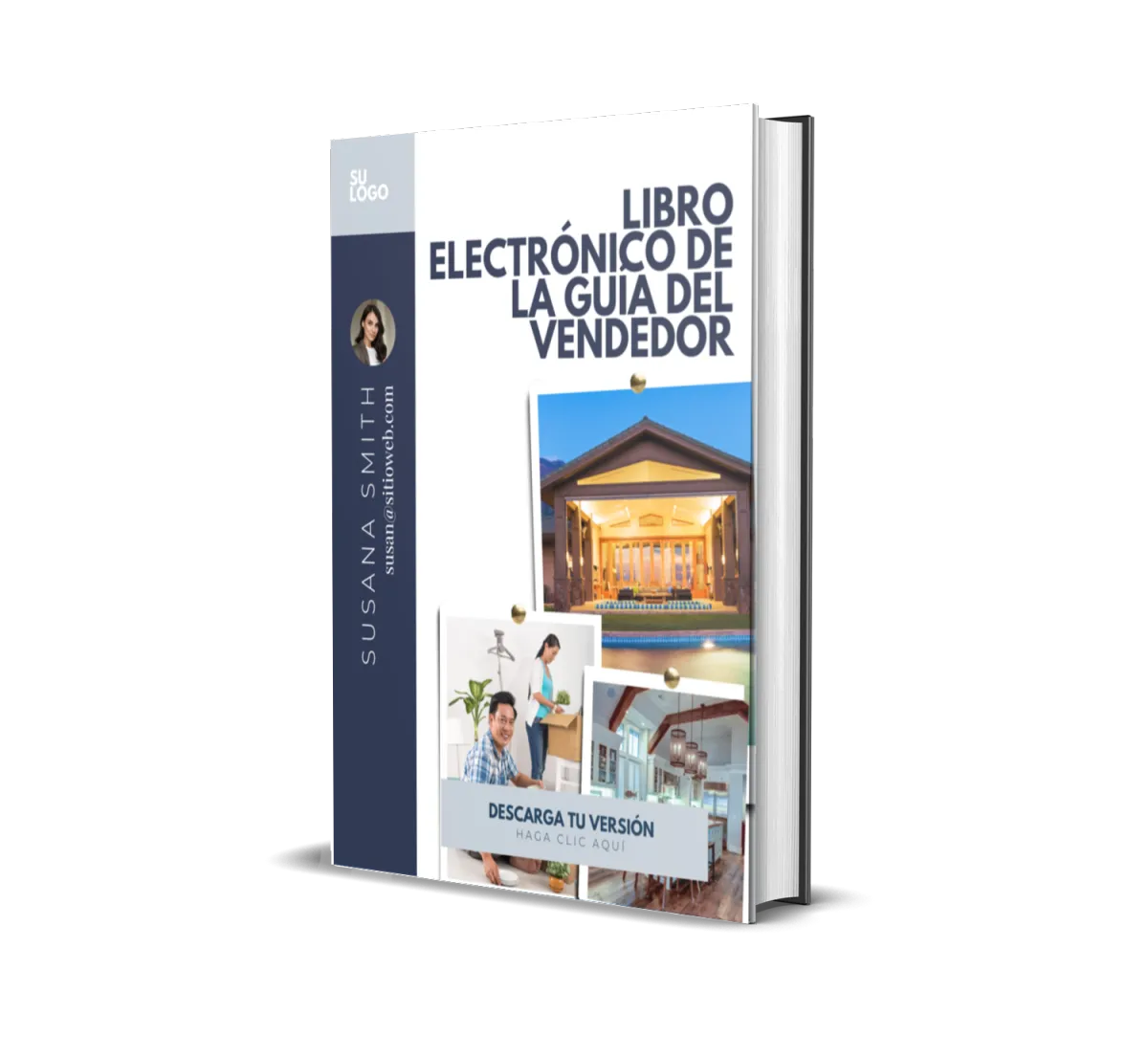
Seller's Guide for Real Estate Agent
(Spanish)
Calculate Your Mortgage Payment
Our Blogs

2026 Housing Market: Mortgage Rate Outlook and What to Expect
2026 Housing Market: Mortgage Rate Outlook and What to Expect
Navigating the complexities of the housing market can be daunting, especially when looking ahead to 2026. This article breaks down the expected trends, focusing on mortgage rate projections and their potential impact on buyers and sellers entering the market. Understanding these factors is crucial for anyone thinking about buying or selling a home in the coming years.
Understanding the 2026 Housing Market
The 2026 housing market is anticipated to be shaped by a confluence of factors, including evolving mortgage rate environments, housing supply dynamics, and shifts in buyer demand. As we move further away from the early 2020s, understanding these factors will be crucial for both homeowners and prospective homebuyers looking to navigate the real estate market successfully and achieve their homeownership goals.
Current Trends in Home Prices
Current trends in home prices are a critical indicator for the 2026 housing market, especially as sellers are listing their properties. Factors influencing these trends include housing supply, mortgage rates, and overall economic conditions. Analyzing year-over-year changes in median home prices and understanding regional variations, like those in Massachusetts real estate or the greater Boston area, provides valuable insights for both buyers and sellers in today's market.
Impact of Mortgage Rates on Buyers
Mortgage rates have a significant impact on buyers and their affordability. Higher rates can increase the monthly payment for a 30-year fixed mortgage, potentially deterring first-time homebuyers or those with limited budgets. Conversely, lower rates can improve affordability and encourage more people to buy a home. Understanding how the mortgage rate environment affects the ability to buy a home in Massachusetts is essential for anyone considering a purchase.
Housing Supply and Demand Dynamics
The interplay between housing supply and demand significantly shapes the real estate market. A shortage of homes for sale can drive up home prices, benefiting sellers but challenging homebuyers. Increased new housing construction and a balanced housing inventory are crucial for creating a more stable and affordable market. In areas like East Boston or Winthrop, understanding these dynamics is vital for making informed decisions about buying or selling.
Mortgage Rate Predictions for 2026
Factors Influencing Mortgage Rates
Several factors will likely influence mortgage rates in 2026. These include the overall economic climate, inflation, and Federal Reserve policies. As lenders respond to these factors, mortgage rates will fluctuate, impacting affordability for homebuyers. Staying informed about these influences is crucial for anyone thinking about buying a home or considering a refinance. Tracking these aspects will allow potential homeowners to make calculated choices in the 2026 housing market.
Comparing 2025 and 2026 Mortgage Rates
Comparing mortgage rates between 2025 and 2026 helps to identify trends and potential shifts in the real estate market. Analyzing year-over-year data, including sources like Redfin and other housing reports, can provide insights into whether rates are expected to rise, fall, or remain stable. These insights are invaluable for both buyers and sellers trying to navigate the mortgage rate environment and make informed decisions about buying a home in Massachusetts.
Strategies for Homebuyers in a Changing Rate Environment
In a changing rate environment, homebuyers need to adopt smart strategies. Consider getting pre-approved for a 30-year fixed mortgage to lock in a rate, even if temporarily. Explore different loan options, and work closely with a real estate agent to find homes that fit your budget. Understanding how mortgage rates impact monthly payment and affordability is key to making sound financial decisions in the market in 2026.
Affordability Challenges for Homebuyers
Assessing Homebuyer Affordability in 2026
Assessing homebuyer affordability in 2026 involves looking at median home prices, income levels, and mortgage rates. High home prices combined with rising mortgage rates can create significant affordability challenges, especially for first-time homebuyers. Understanding the interplay of these factors is critical for anyone looking to buy a home in Massachusetts or the greater Boston area. Addressing these challenges can involve considering different locations as sellers are listing more properties.
Programs for First-Time Home Buyers
Various programs exist to support first-time homebuyers and address affordability challenges. These programs may include down payment assistance, low-interest mortgage options, and grants. Exploring these resources can make homeownership more accessible for those who might otherwise struggle to enter the real estate market. In Massachusetts real estate, these programs can be particularly beneficial in high-cost areas like East Boston or Winthrop.
How to Plan to Buy a Home in Massachusetts
Planning to buy a home in Massachusetts requires careful financial preparation. Start by assessing your credit score and saving for a down payment. Research different neighborhoods and understand the local housing market dynamics. Work with a trusted real estate agent and mortgage lender to navigate the process and find a home that meets your needs and budget. Thorough preparation is crucial for a successful home buying experience in the current housing market.
Market Insights for Buyers and Sellers
Navigating the Greater Boston Housing Market
Navigating the greater Boston housing market requires a keen understanding of local trends and economic factors. The 2026 landscape will likely see fluctuations in home prices and mortgage rates, impacting both buyers and sellers. Staying informed through year over year analysis is crucial for navigating the housing market. housing reports and consulting with a real estate agent can provide a competitive edge, ensuring informed decisions when thinking about buying or selling.
Tips for Buyers in Winthrop and East Boston
For homebuyers specifically targeting Winthrop and East Boston, understanding the nuances of these submarkets is essential. Home prices are expected to fluctuate, which could influence buyers entering the market. and inventory levels can vary significantly from the broader Massachusetts real estate trends. Prospective buyers should closely monitor local listings, consider working with a local real estate agent, and be prepared to act swiftly in the competitive market in greater Boston.
Understanding the New Normal for Homeownership
The "new normal" for homeownership in 2026 involves adapting to evolving mortgage rate dynamics and inventory challenges. Affordability remains a key concern, especially for first-time homebuyers. Prospective owners should focus on financial planning, exploring available assistance programs, and understanding the long-term implications of a market where rates will drop. 30-year fixed mortgage on their monthly payment. The trends from the early 2020s have shifted the landscape.
Refinancing Options for Homeowners
When to Refinance Your Mortgage
Knowing when to buy in 2026 is essential for maximizing investment potential. refinance your mortgage is a critical financial decision for prospective homeowners in 2024. homeowners. Consider refinancing if you can secure lower rates than your current mortgage rate, potentially reducing your monthly payment and saving money over the life of the loan if rates to return to historical lows. Monitoring mortgage trends and consulting with a financial advisor can help in understanding year over year changes. lender can help determine if refinancing is a smart move for your specific circumstances in today's market.
Benefits of Lower Rates for Existing Homeowners
Lower rates can provide significant benefits for existing homeowners. Refinancing to a lower rate can lead to significant savings, especially if mortgage rates drop. mortgage rate can reduce your financial burden when mortgage rates drop. monthly payment, free up cash flow, and potentially shorten the term of your loan. Even a small reduction in rates can lead to substantial savings over the remaining life of the 30-year fixed mortgage.
Choosing the Right Lender for Your Needs
Choosing the right lender is crucial when considering a refinance. Different lenders offer varying terms, fees, and customer service experiences. Research multiple lenders, compare offers, and read reviews to find a lender that aligns with your financial goals and preferences. Some lenders specialize in serving the needs of those who plan to buy in 2026. Massachusetts real estate community, offering insights on how entering the market can affect your investment. lower rates can benefit a wide range of buyers, especially those looking to enter the market in 2024. homeowner. Contact South Wind Financial Geovanne Colon for your next Mortgage Journey!

2026 Housing Market: Mortgage Rate Outlook and What to Expect
2026 Housing Market: Mortgage Rate Outlook and What to Expect
Navigating the complexities of the housing market can be daunting, especially when looking ahead to 2026. This article breaks down the expected trends, focusing on mortgage rate projections and their potential impact on buyers and sellers entering the market. Understanding these factors is crucial for anyone thinking about buying or selling a home in the coming years.
Understanding the 2026 Housing Market
The 2026 housing market is anticipated to be shaped by a confluence of factors, including evolving mortgage rate environments, housing supply dynamics, and shifts in buyer demand. As we move further away from the early 2020s, understanding these factors will be crucial for both homeowners and prospective homebuyers looking to navigate the real estate market successfully and achieve their homeownership goals.
Current Trends in Home Prices
Current trends in home prices are a critical indicator for the 2026 housing market, especially as sellers are listing their properties. Factors influencing these trends include housing supply, mortgage rates, and overall economic conditions. Analyzing year-over-year changes in median home prices and understanding regional variations, like those in Massachusetts real estate or the greater Boston area, provides valuable insights for both buyers and sellers in today's market.
Impact of Mortgage Rates on Buyers
Mortgage rates have a significant impact on buyers and their affordability. Higher rates can increase the monthly payment for a 30-year fixed mortgage, potentially deterring first-time homebuyers or those with limited budgets. Conversely, lower rates can improve affordability and encourage more people to buy a home. Understanding how the mortgage rate environment affects the ability to buy a home in Massachusetts is essential for anyone considering a purchase.
Housing Supply and Demand Dynamics
The interplay between housing supply and demand significantly shapes the real estate market. A shortage of homes for sale can drive up home prices, benefiting sellers but challenging homebuyers. Increased new housing construction and a balanced housing inventory are crucial for creating a more stable and affordable market. In areas like East Boston or Winthrop, understanding these dynamics is vital for making informed decisions about buying or selling.
Mortgage Rate Predictions for 2026
Factors Influencing Mortgage Rates
Several factors will likely influence mortgage rates in 2026. These include the overall economic climate, inflation, and Federal Reserve policies. As lenders respond to these factors, mortgage rates will fluctuate, impacting affordability for homebuyers. Staying informed about these influences is crucial for anyone thinking about buying a home or considering a refinance. Tracking these aspects will allow potential homeowners to make calculated choices in the 2026 housing market.
Comparing 2025 and 2026 Mortgage Rates
Comparing mortgage rates between 2025 and 2026 helps to identify trends and potential shifts in the real estate market. Analyzing year-over-year data, including sources like Redfin and other housing reports, can provide insights into whether rates are expected to rise, fall, or remain stable. These insights are invaluable for both buyers and sellers trying to navigate the mortgage rate environment and make informed decisions about buying a home in Massachusetts.
Strategies for Homebuyers in a Changing Rate Environment
In a changing rate environment, homebuyers need to adopt smart strategies. Consider getting pre-approved for a 30-year fixed mortgage to lock in a rate, even if temporarily. Explore different loan options, and work closely with a real estate agent to find homes that fit your budget. Understanding how mortgage rates impact monthly payment and affordability is key to making sound financial decisions in the market in 2026.
Affordability Challenges for Homebuyers
Assessing Homebuyer Affordability in 2026
Assessing homebuyer affordability in 2026 involves looking at median home prices, income levels, and mortgage rates. High home prices combined with rising mortgage rates can create significant affordability challenges, especially for first-time homebuyers. Understanding the interplay of these factors is critical for anyone looking to buy a home in Massachusetts or the greater Boston area. Addressing these challenges can involve considering different locations as sellers are listing more properties.
Programs for First-Time Home Buyers
Various programs exist to support first-time homebuyers and address affordability challenges. These programs may include down payment assistance, low-interest mortgage options, and grants. Exploring these resources can make homeownership more accessible for those who might otherwise struggle to enter the real estate market. In Massachusetts real estate, these programs can be particularly beneficial in high-cost areas like East Boston or Winthrop.
How to Plan to Buy a Home in Massachusetts
Planning to buy a home in Massachusetts requires careful financial preparation. Start by assessing your credit score and saving for a down payment. Research different neighborhoods and understand the local housing market dynamics. Work with a trusted real estate agent and mortgage lender to navigate the process and find a home that meets your needs and budget. Thorough preparation is crucial for a successful home buying experience in the current housing market.
Market Insights for Buyers and Sellers
Navigating the Greater Boston Housing Market
Navigating the greater Boston housing market requires a keen understanding of local trends and economic factors. The 2026 landscape will likely see fluctuations in home prices and mortgage rates, impacting both buyers and sellers. Staying informed through year over year analysis is crucial for navigating the housing market. housing reports and consulting with a real estate agent can provide a competitive edge, ensuring informed decisions when thinking about buying or selling.
Tips for Buyers in Winthrop and East Boston
For homebuyers specifically targeting Winthrop and East Boston, understanding the nuances of these submarkets is essential. Home prices are expected to fluctuate, which could influence buyers entering the market. and inventory levels can vary significantly from the broader Massachusetts real estate trends. Prospective buyers should closely monitor local listings, consider working with a local real estate agent, and be prepared to act swiftly in the competitive market in greater Boston.
Understanding the New Normal for Homeownership
The "new normal" for homeownership in 2026 involves adapting to evolving mortgage rate dynamics and inventory challenges. Affordability remains a key concern, especially for first-time homebuyers. Prospective owners should focus on financial planning, exploring available assistance programs, and understanding the long-term implications of a market where rates will drop. 30-year fixed mortgage on their monthly payment. The trends from the early 2020s have shifted the landscape.
Refinancing Options for Homeowners
When to Refinance Your Mortgage
Knowing when to buy in 2026 is essential for maximizing investment potential. refinance your mortgage is a critical financial decision for prospective homeowners in 2024. homeowners. Consider refinancing if you can secure lower rates than your current mortgage rate, potentially reducing your monthly payment and saving money over the life of the loan if rates to return to historical lows. Monitoring mortgage trends and consulting with a financial advisor can help in understanding year over year changes. lender can help determine if refinancing is a smart move for your specific circumstances in today's market.
Benefits of Lower Rates for Existing Homeowners
Lower rates can provide significant benefits for existing homeowners. Refinancing to a lower rate can lead to significant savings, especially if mortgage rates drop. mortgage rate can reduce your financial burden when mortgage rates drop. monthly payment, free up cash flow, and potentially shorten the term of your loan. Even a small reduction in rates can lead to substantial savings over the remaining life of the 30-year fixed mortgage.
Choosing the Right Lender for Your Needs
Choosing the right lender is crucial when considering a refinance. Different lenders offer varying terms, fees, and customer service experiences. Research multiple lenders, compare offers, and read reviews to find a lender that aligns with your financial goals and preferences. Some lenders specialize in serving the needs of those who plan to buy in 2026. Massachusetts real estate community, offering insights on how entering the market can affect your investment. lower rates can benefit a wide range of buyers, especially those looking to enter the market in 2024. homeowner. Contact South Wind Financial Geovanne Colon for your next Mortgage Journey!
Subscribe to my newsletter
South Wind Financial, Inc.
Mortgage Broker Lic #MB9462
Branch NMLS #86116
1356 Atwood Ave. Johnston, RI 02919
Stay Connected:


Privacy Policy | Terms of Services
© Copyright All Rights Reserved