617-821-1757

Looking For FHA Loans?
Apply today for the mortgage
that’s right for you.
Unlock Low Rates with Ease
Discover how Geovanne Colon simplifies the mortgage qualification process for you.
Apply today for the mortgage
that’s right for you.
Unlock Low Rates with Ease
Discover how Geovanne Colon simplifies the mortgage qualification process for you.
Low Rate.
Zero Hassles.
Get a free quote
Low Rate.
Zero Hassles.
Get a free quote
Feel Overwhelmed by Mortgage Choices? I Understand.

Feeling Lost in a Sea of Mortgage Options? Finding the right mortgage can be a daunting task. With an overwhelming array of rates, terms, and lenders, it's easy to feel lost and uncertain. Are you worried about high interest rates, hidden fees, or choosing a mortgage that doesn't fit your long-term goals?

Welcome to Your Gateway to Home Ownership
Embark on a seamless journey towards your dream home with Geovanne Colon, your trusted ally in mortgage solutions. With years of expertise and a commitment to securing the lowest rates, my mission is to transform the complex landscape of home financing into a simplified, transparent path leading straight to the keys of your new home.
Why Choose Us?
Ready to Start?
Your perfect home won't wait forever, and neither should you. Begin your journey today with a loan officer that puts you first. By choosing us, you're not just getting a loan – you're gaining a lifelong partner in all your mortgage endeavors.
Start your no-obligation consultation now and join the myriad of satisfied homeowners who have unlocked the doors to their future with ease and confidence. Dive into our world of simplified lending, and let's turn your homeownership dreams into reality.
Welcome Home!
Loan Programs We Help With
Seamless Solutions, Limitless Possibilities
Residential Mortgage Programs
1. FHA Loans
Federal Housing Administration (FHA) Loans
• Suitable for first-time homebuyers
• Low down payment options (as low as 3.5%)
• Requires mortgage insurance
• Lenient credit scores accepted
• 203K Renovation Loans Available
2. Conventional Loans
Conventional Mortgage Loans
• Preferred by borrowers with stronger credit
• Down payments as low as 3%
• Available in fixed or adjustable rates
• No government insurance premiums
• HomeStyle Renovation Loan Available
3. USDA Loans
US Department of Agriculture (USDA) Loans
• Ideal for eligible rural and suburban homebuyers
• Zero down payment
• Low insurance costs
• Income and geographic restrictions apply
4. VA Loans
Veterans Affairs (VA) Mortgage Loans
• Exclusively for veterans, active-duty service members, and eligible spouses
• No down payment required
• No mortgage insurance needed
• Competitive interest rates
A. ITIN - No Social Security Loans
• For borrowers with an Individual Tax Identification Number
• Lacks Social Security number
B. 1099 Loans
• Designed for independent contractors or self-employed individuals
• Based on the 1099 tax form income
C. VOE Only
• Verification of employment as the primary source of income validation
D. Asset Depletion
• Utilizes borrower's liquid assets for qualification purposes
E. Bank Statement Loans
• Income based on bank statements, suitable for self-employed borrowers
F. DSCR - Investor No Income Verification
• For real estate investors, using property cash flow as a qualification metric
Non-Qualified Mortgage (Non-QM) Loans
Loan Programs We Help With
Seamless Solutions, Limitless Possibilities
Residential Mortgage Programs
1. FHA Loans
Federal Housing Administration (FHA) Loans
• Suitable for first-time homebuyers
• Low down payment options (as low as 3.5%)
• Requires mortgage insurance
• Lenient credit scores accepted
2. Conventional Loans
Conventional Mortgage Loans
• Preferred by borrowers with stronger credit
• Down payments as low as 3%
• Available in fixed or adjustable rates
• No government insurance premiums
3. USDA Loans
US Department of Agriculture (USDA) Loans
• Ideal for eligible rural and suburban homebuyers
• Zero down payment
• Low insurance costs
• Income and geographic restrictions apply
4. VA Loans
Veterans Affairs (VA) Loans
• Exclusively for veterans, active-duty service members, and eligible spouses
• No down payment required
• No mortgage insurance needed
• Competitive interest rates
Non-Qualified Mortgage (Non-QM) Loans
A. ITIN - No Social Security Loans
• For borrowers with an Individual Tax Identification Number
• Lacks Social Security number
B. 1099 Loans
• Designed for independent contractors or self-employed individuals
• Based on the 1099 tax form income
C. VOE Only
• Verification of employment as the primary source of income validation
D. Asset Depletion
• Utilizes borrower's liquid assets for qualification purposes
E. Bank Statement Loans
• Income based on bank statements, suitable for self-employed borrowers
F. DSCR - Investor No Income Verification
• For real estate investors, using property cash flow as a qualification metric
More Loan Programs
Foreign National Loans
• Tailored for non-U.S. citizens looking to buy investment or vacation properties in the U.S.
• May require larger down payments and proof of foreign income.
Jumbo Loans
• Exceed the loan limits set by the FHFA for conventional mortgages.
• Requires non-traditional underwriting to accommodate the larger loan amount.
Real Estate Investor Loans
• Customized loans for experienced real estate investors.
• Can include options for multiple properties under a single loan (blanket loans).
Non-Warrantable Condo Loans
• For condos that do not meet specific requirements by Fannie Mae or Freddie Mac.
• Necessary for financing condos in buildings with more owner-occupied spaces or litigation issues.
Credit Event Loans
• Available to borrowers with significant derogatory credit events, such as bankruptcy or foreclosure.
• Typically requires a higher down payment or additional reserves.
Hard Money/Private Lending
•For immediate or short-term financing needs
• Higher-cost, short-term loans
• Asset-based lending criteria
• Terms typically around 12 months
Fix and Flips
• Loans crafted for renovating and flipping properties
Commercial Loans
•Tailored for businesses to purchase or refinance commercial property
• Offering solutions for office buildings, retail spaces, and industrial properties
• Custom terms to align with business strategies
New Construction
• Financing for ground-up construction projects
Small Business Administration (SBA) Loans
• Federally backed to help start or grow a business
• Lower down payments
• Longer repayment terms
• Focused on small businesses
Bridge Loans
• Short-term loans to bridge the gap during transitional periods
Down Payment Assistance Programs
• Provides prospective homebuyers with loans or grants that they can use toward the down payment for a house.
• Most down payment assistance programs are designed for first-time homebuyers and offered by various institutions, such as government, non-profits, or lenders.
More Loan Programs
Foreign National Loans
• Tailored for non-U.S. citizens looking to buy investment or vacation properties in the U.S.
• May require larger down payments and proof of foreign income.
Jumbo Loans
• Exceed the loan limits set by the FHFA for conventional mortgages.
• Requires non-traditional underwriting to accommodate the larger loan amount.
Real Estate Investor Loans
• Customized loans for experienced real estate investors.
• Can include options for multiple properties under a single loan (blanket loans).
Non-Warrantable Condo Loans
• For condos that do not meet specific requirements by Fannie Mae or Freddie Mac.
• Necessary for financing condos in buildings with more owner-occupied spaces or litigation issues.
Credit Event Loans
• Available to borrowers with significant derogatory credit events, such as bankruptcy or foreclosure.
• Typically requires a higher down payment or additional reserves.
Hard Money/Private Lending
•For immediate or short-term financing needs
• Higher-cost, short-term loans
• Asset-based lending criteria
• Terms typically around 12 months
Fix and Flips
• Loans crafted for renovating and flipping properties
Commercial Loans
•Tailored for businesses to purchase or refinance commercial property
• Offering solutions for office buildings, retail spaces, and industrial properties
• Custom terms to align with business strategies
New Construction
• Financing for ground-up construction projects
Small Business Administration (SBA) Loans
• Federally backed to help start or grow a business
• Lower down payments
• Longer repayment terms
• Focused on small businesses
Bridge Loans
• Short-term loans to bridge the gap during transitional periods
Down Payment Assistance Programs
• Provides prospective homebuyers with loans or grants that they can use toward the down payment for a house.
• Most down payment assistance programs are designed for first-time homebuyers and offered by various institutions, such as government, non-profits, or lenders.
Who We Help?
Seamless Solutions, Limitless Possibilities
First Time Home Buyers
We know how overwhelming the process of buying a home is, especially if it is the first time that you're doing it. We will work closely with you to explain the process, to protect you from making mistakes that could cost you later, and to ensure that your mortgage gets approved and you get the home that you are so excited to be buying!
Move Up and Second Home Buyers
Buying a new home when you currently own one has it's own unique set of concerns. We can answer all of your questions about how to qualify and purchase a home when you already own one whether you're buying a new primary residence or a second vacation home.
Refinancing Home Owners
If you already own your home but you are looking to refinance to either save money with a lower interest rate or possibly take some cash out for any reason, we can help you with that. We also can show you how to make sure you are structuring your new financing to get the best deal possible.
Investment Buyers
If you're buying real estate for investment purposes, we can help you secure low rate financing to maximize your ROI.
Seniors Seeking Reverse Mortgages
If you are 62 years or older and are looking for options to stay in your home without a mortgage payment or to access your home's equity while still living there, I can answer your questions about reverse mortgages so you can decide if they are right for you.
What My Clients Say
Ready to Find Your Perfect Mortgage?
Are You A First Time Home Buyer?
Download Our Free Home Buyer's Guide
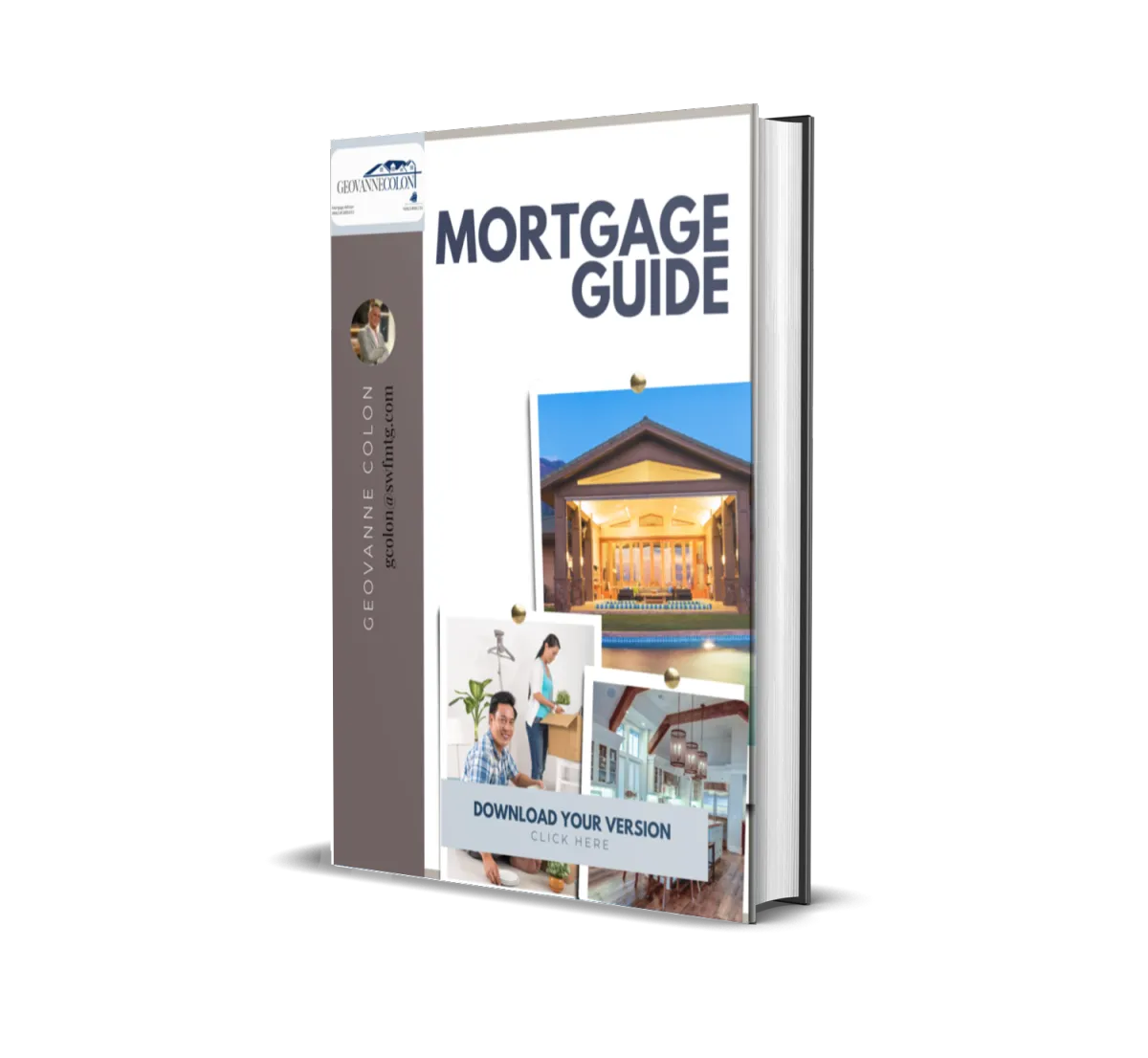
Other Resources You'll Find Helpful

Buyer's Guide for Real Estate Agent
(English)
Buyer's Guide for Real Estate Agent
(Spanish)

Seller's Guide for Real Estate Agent
(English)
Seller's Guide for Real Estate Agent
(Spanish)
Calculate Your Mortgage Payment
Our Blogs

First-Time Homebuyer Mistakes: How Home Buyers Can Avoid Them
First-Time Homebuyer Mistakes: How Home Buyers Can Avoid Them
Buying a home for the first time is an exciting milestone, but the home buying process can be complex and fraught with potential pitfalls. Many first-time homebuyers make mistakes that can cost them time, money, and even their dream home. This article aims to highlight common first-time homebuyer mistakes and provide actionable advice on how home buyers can avoid them.
Understanding Common First-Time Homebuyer Mistakes
Overview of First-Time Homebuyer Mistakes
First-time homebuyer mistakes can range from financial missteps, such as not securing a mortgage, to overlooking crucial details in the home buying process. For example, some first-time buyers may not fully understand the implications of their mortgage rate or the true cost of homeownership, including mortgage insurance and closing costs. Recognizing these potential pitfalls, including common first-time home buyer mistakes, is the first step in becoming a serious buyer and ensuring a smooth and successful home purchase.
Why First-Time Homebuyers Make Mistakes
Many first-time homebuyers make mistakes due to a lack of experience and knowledge about the complexities of real estate transactions. They may be overwhelmed by the sheer volume of information and decisions required, leading them to overlook important steps or make mistakes first-time homebuyers make. Without guidance from experienced professionals like a real estate agent or mortgage lender, first-time buyers may also struggle to navigate the intricacies of the home loan process and understand their mortgage options, contributing to common mistakes.
Common Mistakes to Avoid
Here are some common mistakes that first-time home buyers often make. These can be quite impactful, so it's worth being aware of them. For instance, many buyers find themselves in trouble because they:
Fail to save adequately for a down payment, which can limit their mortgage options.
Neglect to check their credit score beforehand, impacting the interest rate they receive.
Understanding these and other potential pitfalls is crucial for every home buyer.
Mortgage Options for First-Time Homebuyers
Types of Mortgages Available
For first-time homebuyers, understanding the different types of mortgages available is crucial. Conventional mortgages are a common choice, often requiring a solid credit score and a down payment. FHA loans, backed by the Federal Housing Administration, are popular among first-time home buyers due to their lower down payment requirements and more lenient credit score criteria. VA loans are available to veterans and offer benefits like no down payment. Understanding these mortgage options will help serious buyers make informed decisions.
How to Apply for a Mortgage
Applying for a mortgage can be a smooth process with careful preparation. Many first-time homebuyers find it overwhelming, but here's how to start:
Check your credit score and correct any errors.
Get pre-approved for a mortgage to understand how much you can afford.
Gather all necessary financial documents, such as income statements, tax returns, and bank statements, and compare mortgage rates from different mortgage lenders to secure a mortgage.
Understanding Mortgage Rates and Credit Scores
Mortgage rates and credit scores are closely linked; a higher credit score typically leads to a lower interest rate, saving first-time buyers thousands of dollars over the life of the home loan. First-time home buyers should check their credit score well in advance of applying for a mortgage and take steps to improve it if necessary. Understanding how mortgage rates and credit scores impact their monthly mortgage payment is essential for making informed financial decisions when buying a home.
The Importance of a Home Inspection
What to Expect During a Home Inspection
A home inspection is a critical step in the home buying process, especially for first-time homebuyers, to avoid costly mistakes homebuyers make. During a home inspection, a qualified home inspector will thoroughly examine the property's structure, systems, and components, including the roof, foundation, plumbing, electrical, and HVAC systems. The home inspector will look for any existing damage or potential problems. The home inspection gives the buyer time to renegotiate and avoid this mistake.
Common Issues Found in Home Inspections
Home inspections often reveal common issues that first-time home buyers should be aware of. These can include roof leaks, foundation cracks, plumbing problems, electrical hazards, and pest infestations. While some issues may be minor and easily fixable, others can be more significant and costly to repair. Knowing about these potential problems upfront allows home buyers to make informed decisions about whether to proceed with the home purchase or negotiate repairs with the seller.
How Inspections Help Avoid Buyer Mistakes
Home inspections are invaluable in helping first-time home buyers avoid costly buyer mistakes. By identifying potential problems before closing, inspections give buyers the opportunity to negotiate repairs with the seller or walk away from the deal if the issues are too significant. Skipping a home inspection can lead to unexpected expenses and headaches down the road, making it a mistake to avoid. A home inspection is an investment in the future.
Working with a Real Estate Agent
Choosing the Right Real Estate Agent
Selecting the right real estate agent is a crucial step in the home buying process for first-time homebuyers. A skilled real estate agent can provide invaluable guidance and support throughout the often complex process of home search and negotiating offers. First-time buyers should look for a real estate agent with extensive experience working with first-time homebuyers and a deep understanding of the local real estate market. A good real estate agent will also prioritize the buyer's needs and preferences.
How Agents Can Help First-Time Homebuyers
A real estate agent can be an invaluable asset for first-time buyers, offering expertise and guidance throughout the home buying process. They can help first-time home buyers find homes that match their criteria, negotiate offers, and navigate the complexities of the purchase agreement. A skilled real estate agent will also provide insights into local market trends and help buyers understand the intricacies of mortgage options and closing costs. Having a trusted real estate agent can significantly reduce stress and uncertainty.
Common Misunderstandings About Real Estate Agents
There are several common misunderstandings about real estate agents that first-time home buyers should be aware of. Some first-time homebuyers mistakenly believe that they can save money by not using a real estate agent, but a good agent can often negotiate a better deal and help buyers avoid costly mistakes. First-time buyers should also understand that real estate agents are obligated to represent their clients' best interests, providing unbiased advice and guidance throughout the home buying process.
Financial Considerations for First-Time Buyers
Saving for a Down Payment
Saving for a down payment is one of the most significant financial hurdles for many first-time homebuyers. The amount of the down payment can impact the mortgage options available, as well as the interest rate, monthly mortgage payment, and the need for private mortgage insurance. First-time buyers should start saving early and explore different strategies, such as setting up a dedicated savings account, automating transfers, and cutting unnecessary expenses. Some first-time home buyer programs offer down payment assistance to help make homeownership more accessible.
Understanding Closing Costs
In addition to the down payment, first-time homebuyers need to be prepared for closing costs, which can add up to a significant sum. Closing costs typically include expenses such as appraisal fees, title insurance, mortgage insurance, and lender fees. First-time buyers should ask their mortgage lender for a detailed estimate of closing costs upfront and factor these expenses into their budget. Understanding closing costs is essential for avoiding financial surprises and ensuring a smooth home purchase.
Budgeting for Your First Home
Creating a budget is essential for first-time homebuyers to ensure they can comfortably afford the ongoing expenses of homeownership. First-time buyers should factor in not only the monthly mortgage payment but also property taxes, home insurance, utilities, maintenance, and repairs. A realistic budget will help first-time homebuyers avoid overextending themselves financially and ensure they can enjoy their new home without financial stress. Consider consulting a financial advisor to create a budget and plan.
Final Tips for Avoiding Buyer Mistakes
Creating a Home Buying Checklist
Creating a detailed home buying checklist is essential for first-time homebuyers to avoid mistakes. This checklist should include all the critical steps in the home buying process, from getting pre-approved for a mortgage to conducting a thorough home inspection and avoiding common first-time home buyer mistakes. By following a structured checklist, first-time buyers can ensure they don't overlook important details or make hasty decisions that could cost them later, such as mistakes homebuyers make. The checklist will also allow serious buyers to keep track of all necessary documents.
Staying Within Your Budget
Staying within your budget is crucial for first-time homebuyers to avoid financial strain and the common mistakes homebuyers make. Before starting the home search, first-time buyers should determine how much they can afford by considering their income, expenses, credit score, and the home price. It's important not to exceed this budget, even if it means compromising on some features of the perfect home. Staying within budget ensures that the monthly mortgage payment and associated costs are manageable, preventing potential financial stress. First-time homebuyer mistakes to avoid would be not keeping an eye on budget.
Knowing When to Walk Away from a Deal
Knowing when to walk away from a deal is a critical skill for first-time homebuyers to avoid common first-time home buyer mistakes. If a home inspection reveals significant issues or if negotiations with the seller stall, it may be best to walk away. First-time buyers should not feel pressured to purchase a home that doesn't meet their needs or that could lead to financial problems down the line. Sometimes, walking away is the best way to avoid buyer mistakes and protect your financial future. It's crucial to remember there will always be another opportunity to buy a home.
Taking Action as a First-Time Homebuyer
Summarizing Key Takeaways
In summary, first-time homebuyer mistakes can be avoided by educating yourself about the home buying process, understanding your mortgage options, and working with experienced professionals like real estate agents and mortgage lenders. It's important to save for a down payment, check your credit score, get a home inspection, and stay within your budget. First-time buyers who take these precautions are more likely to have a smooth and successful home purchase.
Next Steps for First-Time Homebuyers
For first-time homebuyers ready to take the next step, there are several important things to keep in mind. To ensure a smooth process, new buyers should:
Get pre-approved for a mortgage to understand their budget and avoid common first-time home buyer mistakes.
Find a reputable real estate agent familiar with the local market.
Start the home search, keeping in mind their budget and needs. Finally, remember to get a home inspection before finalizing any purchase.
Contacting Professionals for Assistance
Navigating the home buying process can be overwhelming, so don't hesitate to contact professionals for assistance. A knowledgeable real estate agent can guide you through the home search and negotiation process. A mortgage lender can help you explore your mortgage options, secure a mortgage, and obtain a favorable interest rate. Seeking professional advice can save first-time homebuyers time, money, and stress. If you're ready to buy your first home, reach out to our team today for expert guidance and personalized support in finding your dream home and buy a home. What are you waiting for, call us today!

First-Time Homebuyer Mistakes: How Home Buyers Can Avoid Them
First-Time Homebuyer Mistakes: How Home Buyers Can Avoid Them
Buying a home for the first time is an exciting milestone, but the home buying process can be complex and fraught with potential pitfalls. Many first-time homebuyers make mistakes that can cost them time, money, and even their dream home. This article aims to highlight common first-time homebuyer mistakes and provide actionable advice on how home buyers can avoid them.
Understanding Common First-Time Homebuyer Mistakes
Overview of First-Time Homebuyer Mistakes
First-time homebuyer mistakes can range from financial missteps, such as not securing a mortgage, to overlooking crucial details in the home buying process. For example, some first-time buyers may not fully understand the implications of their mortgage rate or the true cost of homeownership, including mortgage insurance and closing costs. Recognizing these potential pitfalls, including common first-time home buyer mistakes, is the first step in becoming a serious buyer and ensuring a smooth and successful home purchase.
Why First-Time Homebuyers Make Mistakes
Many first-time homebuyers make mistakes due to a lack of experience and knowledge about the complexities of real estate transactions. They may be overwhelmed by the sheer volume of information and decisions required, leading them to overlook important steps or make mistakes first-time homebuyers make. Without guidance from experienced professionals like a real estate agent or mortgage lender, first-time buyers may also struggle to navigate the intricacies of the home loan process and understand their mortgage options, contributing to common mistakes.
Common Mistakes to Avoid
Here are some common mistakes that first-time home buyers often make. These can be quite impactful, so it's worth being aware of them. For instance, many buyers find themselves in trouble because they:
Fail to save adequately for a down payment, which can limit their mortgage options.
Neglect to check their credit score beforehand, impacting the interest rate they receive.
Understanding these and other potential pitfalls is crucial for every home buyer.
Mortgage Options for First-Time Homebuyers
Types of Mortgages Available
For first-time homebuyers, understanding the different types of mortgages available is crucial. Conventional mortgages are a common choice, often requiring a solid credit score and a down payment. FHA loans, backed by the Federal Housing Administration, are popular among first-time home buyers due to their lower down payment requirements and more lenient credit score criteria. VA loans are available to veterans and offer benefits like no down payment. Understanding these mortgage options will help serious buyers make informed decisions.
How to Apply for a Mortgage
Applying for a mortgage can be a smooth process with careful preparation. Many first-time homebuyers find it overwhelming, but here's how to start:
Check your credit score and correct any errors.
Get pre-approved for a mortgage to understand how much you can afford.
Gather all necessary financial documents, such as income statements, tax returns, and bank statements, and compare mortgage rates from different mortgage lenders to secure a mortgage.
Understanding Mortgage Rates and Credit Scores
Mortgage rates and credit scores are closely linked; a higher credit score typically leads to a lower interest rate, saving first-time buyers thousands of dollars over the life of the home loan. First-time home buyers should check their credit score well in advance of applying for a mortgage and take steps to improve it if necessary. Understanding how mortgage rates and credit scores impact their monthly mortgage payment is essential for making informed financial decisions when buying a home.
The Importance of a Home Inspection
What to Expect During a Home Inspection
A home inspection is a critical step in the home buying process, especially for first-time homebuyers, to avoid costly mistakes homebuyers make. During a home inspection, a qualified home inspector will thoroughly examine the property's structure, systems, and components, including the roof, foundation, plumbing, electrical, and HVAC systems. The home inspector will look for any existing damage or potential problems. The home inspection gives the buyer time to renegotiate and avoid this mistake.
Common Issues Found in Home Inspections
Home inspections often reveal common issues that first-time home buyers should be aware of. These can include roof leaks, foundation cracks, plumbing problems, electrical hazards, and pest infestations. While some issues may be minor and easily fixable, others can be more significant and costly to repair. Knowing about these potential problems upfront allows home buyers to make informed decisions about whether to proceed with the home purchase or negotiate repairs with the seller.
How Inspections Help Avoid Buyer Mistakes
Home inspections are invaluable in helping first-time home buyers avoid costly buyer mistakes. By identifying potential problems before closing, inspections give buyers the opportunity to negotiate repairs with the seller or walk away from the deal if the issues are too significant. Skipping a home inspection can lead to unexpected expenses and headaches down the road, making it a mistake to avoid. A home inspection is an investment in the future.
Working with a Real Estate Agent
Choosing the Right Real Estate Agent
Selecting the right real estate agent is a crucial step in the home buying process for first-time homebuyers. A skilled real estate agent can provide invaluable guidance and support throughout the often complex process of home search and negotiating offers. First-time buyers should look for a real estate agent with extensive experience working with first-time homebuyers and a deep understanding of the local real estate market. A good real estate agent will also prioritize the buyer's needs and preferences.
How Agents Can Help First-Time Homebuyers
A real estate agent can be an invaluable asset for first-time buyers, offering expertise and guidance throughout the home buying process. They can help first-time home buyers find homes that match their criteria, negotiate offers, and navigate the complexities of the purchase agreement. A skilled real estate agent will also provide insights into local market trends and help buyers understand the intricacies of mortgage options and closing costs. Having a trusted real estate agent can significantly reduce stress and uncertainty.
Common Misunderstandings About Real Estate Agents
There are several common misunderstandings about real estate agents that first-time home buyers should be aware of. Some first-time homebuyers mistakenly believe that they can save money by not using a real estate agent, but a good agent can often negotiate a better deal and help buyers avoid costly mistakes. First-time buyers should also understand that real estate agents are obligated to represent their clients' best interests, providing unbiased advice and guidance throughout the home buying process.
Financial Considerations for First-Time Buyers
Saving for a Down Payment
Saving for a down payment is one of the most significant financial hurdles for many first-time homebuyers. The amount of the down payment can impact the mortgage options available, as well as the interest rate, monthly mortgage payment, and the need for private mortgage insurance. First-time buyers should start saving early and explore different strategies, such as setting up a dedicated savings account, automating transfers, and cutting unnecessary expenses. Some first-time home buyer programs offer down payment assistance to help make homeownership more accessible.
Understanding Closing Costs
In addition to the down payment, first-time homebuyers need to be prepared for closing costs, which can add up to a significant sum. Closing costs typically include expenses such as appraisal fees, title insurance, mortgage insurance, and lender fees. First-time buyers should ask their mortgage lender for a detailed estimate of closing costs upfront and factor these expenses into their budget. Understanding closing costs is essential for avoiding financial surprises and ensuring a smooth home purchase.
Budgeting for Your First Home
Creating a budget is essential for first-time homebuyers to ensure they can comfortably afford the ongoing expenses of homeownership. First-time buyers should factor in not only the monthly mortgage payment but also property taxes, home insurance, utilities, maintenance, and repairs. A realistic budget will help first-time homebuyers avoid overextending themselves financially and ensure they can enjoy their new home without financial stress. Consider consulting a financial advisor to create a budget and plan.
Final Tips for Avoiding Buyer Mistakes
Creating a Home Buying Checklist
Creating a detailed home buying checklist is essential for first-time homebuyers to avoid mistakes. This checklist should include all the critical steps in the home buying process, from getting pre-approved for a mortgage to conducting a thorough home inspection and avoiding common first-time home buyer mistakes. By following a structured checklist, first-time buyers can ensure they don't overlook important details or make hasty decisions that could cost them later, such as mistakes homebuyers make. The checklist will also allow serious buyers to keep track of all necessary documents.
Staying Within Your Budget
Staying within your budget is crucial for first-time homebuyers to avoid financial strain and the common mistakes homebuyers make. Before starting the home search, first-time buyers should determine how much they can afford by considering their income, expenses, credit score, and the home price. It's important not to exceed this budget, even if it means compromising on some features of the perfect home. Staying within budget ensures that the monthly mortgage payment and associated costs are manageable, preventing potential financial stress. First-time homebuyer mistakes to avoid would be not keeping an eye on budget.
Knowing When to Walk Away from a Deal
Knowing when to walk away from a deal is a critical skill for first-time homebuyers to avoid common first-time home buyer mistakes. If a home inspection reveals significant issues or if negotiations with the seller stall, it may be best to walk away. First-time buyers should not feel pressured to purchase a home that doesn't meet their needs or that could lead to financial problems down the line. Sometimes, walking away is the best way to avoid buyer mistakes and protect your financial future. It's crucial to remember there will always be another opportunity to buy a home.
Taking Action as a First-Time Homebuyer
Summarizing Key Takeaways
In summary, first-time homebuyer mistakes can be avoided by educating yourself about the home buying process, understanding your mortgage options, and working with experienced professionals like real estate agents and mortgage lenders. It's important to save for a down payment, check your credit score, get a home inspection, and stay within your budget. First-time buyers who take these precautions are more likely to have a smooth and successful home purchase.
Next Steps for First-Time Homebuyers
For first-time homebuyers ready to take the next step, there are several important things to keep in mind. To ensure a smooth process, new buyers should:
Get pre-approved for a mortgage to understand their budget and avoid common first-time home buyer mistakes.
Find a reputable real estate agent familiar with the local market.
Start the home search, keeping in mind their budget and needs. Finally, remember to get a home inspection before finalizing any purchase.
Contacting Professionals for Assistance
Navigating the home buying process can be overwhelming, so don't hesitate to contact professionals for assistance. A knowledgeable real estate agent can guide you through the home search and negotiation process. A mortgage lender can help you explore your mortgage options, secure a mortgage, and obtain a favorable interest rate. Seeking professional advice can save first-time homebuyers time, money, and stress. If you're ready to buy your first home, reach out to our team today for expert guidance and personalized support in finding your dream home and buy a home. What are you waiting for, call us today!
Subscribe to my newsletter
South Wind Financial, Inc.
Mortgage Broker Lic #MB9462
Branch NMLS #86116
1356 Atwood Ave. Johnston, RI 02919

Stay Connected:


Privacy Policy | Terms of Services
© Copyright All Rights Reserved